The 7th Street Journal


Spring Cleaning and Seasonal Storage: A Practical Guide for Homeowners and Small Businesses

Storage Guides


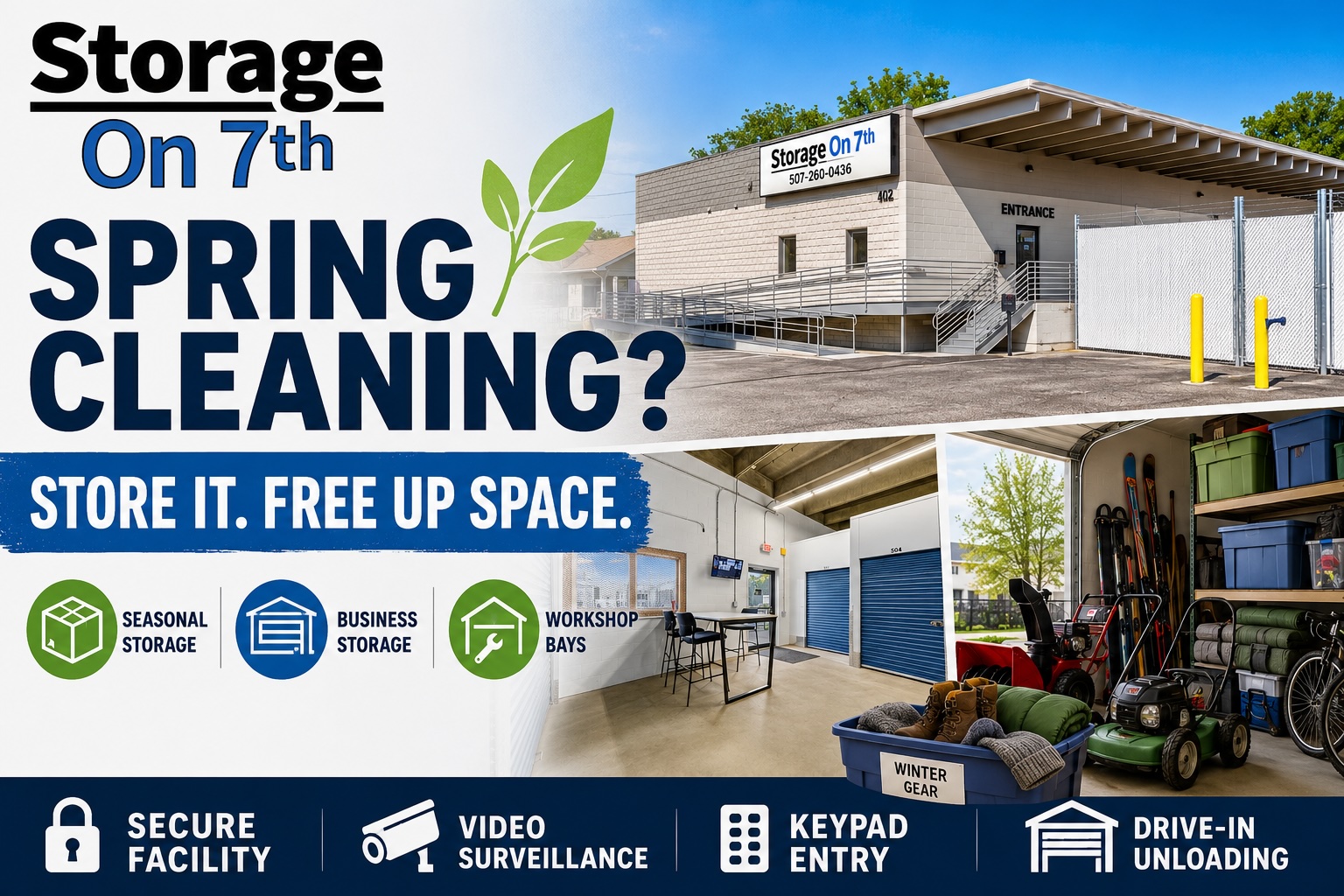
A blog banner of Storage On 7th's Spring Cleaning Guide

Spring cleaning sounds romantic until you actually start. You open the garage door, look at the snowblower still parked in front of where the patio furniture should be, then realize the basement has somehow grown another stack of boxes since last year. The lawn mower needs to come out. The winter coats need to go somewhere. The kids' outgrown clothes are filling a closet. And nothing has an obvious home.The deeper problem isn't messiness. It's that most homes have a fixed amount of indoor space, and the stuff inside them isn't fixed. It builds up. Seasonal gear cycles in and out. Kids' belongings double every few years. Small business owners who run things out of the house slowly lose the spare bedroom to inventory.This guide is about handling that — sorting it, storing what's worth keeping, and getting back to a house that breathes. I run Storage on 7th in Faribault, Minnesota, and every March through May I watch people work through some version of this exact problem. Below is what tends to work, based on what I've seen for the last six years. 1. Start With One Area, Not the Whole House The single most common mistake people make with spring cleaning is trying to do the entire house in one weekend. By Sunday night they're exhausted, three rooms are worse than when they started, and the momentum is gone for another year.The better approach is to pick one area — the garage, the basement, the spare bedroom, one closet — and finish it before you start the next. Finishing matters. The satisfaction of seeing one clean, organized space gives you the energy to do the next one. The defeat of three half-finished projects makes you give up entirely.For most Faribault homes, the right starting point is the garage. It's where the winter gear lives, it's where the lawn equipment needs to come out, and it's the easiest place to haul boxes in and out of when you start moving things ...


Ryan E.
May 11th, 2026


What Size Storage Unit Do I Actually Need? A Practical Sizing Guide

Storage Guides


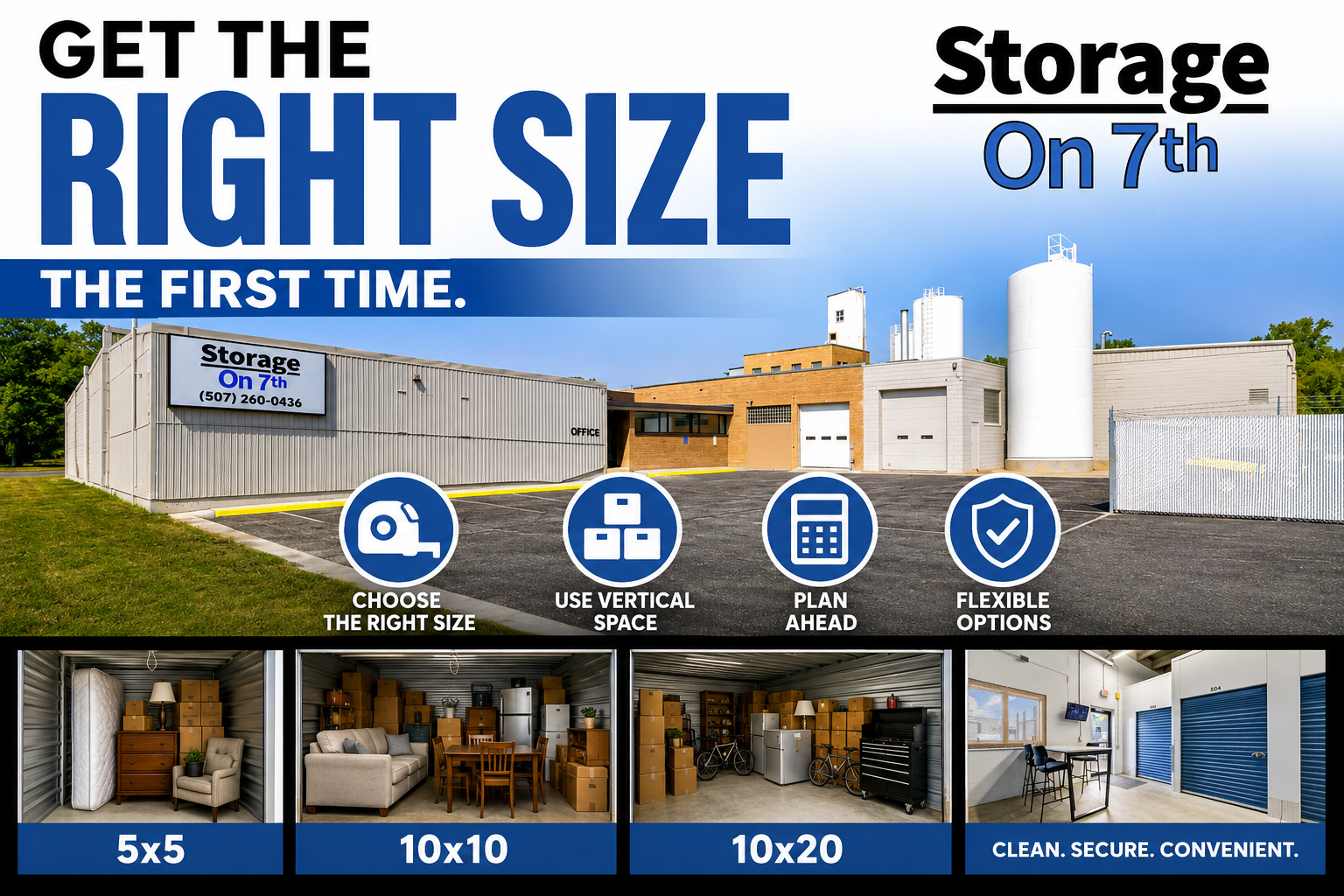
Get the Right Size the First Time at Storage On 7th

The single hardest part of renting storage isn't picking a facility or comparing prices. It's looking at "5x5," "10x10," and "10x20" on a website and trying to imagine how your couch, your kitchen table, and twenty-three boxes of who-knows-what will actually fit inside. Most people guess wrong. They either pay for a unit that's twice the size they need, or they show up on move-in day to discover their stuff doesn't fit and have to rent a second unit on top of the first. This guide will help you get the size right the first time. I've been running Storage on 7th in Faribault, Minnesota for six years and watched thousands of tenants size up their belongings, so the advice below comes from real patterns, not just a chart. 1. The Bedroom Rule of Thumb (And Why It Works) If you only remember one thing from this post, remember this: a standard bedroom is roughly 10 feet by 10 feet, which is also our most common storage unit size. So a 10x10 storage unit holds about a bedroom's worth of stuff. From there, you can scale up or down: A 5x5 is about a quarter the size of a bedroom (think large walk-in closet) A 10x10 is about a bedroom A 10x20 is about double a bedroom, or roughly a one-car garage A 16x36 is large enough for a whole house's worth of belongings plus a vehicle or two That mental shortcut alone will get you within one size of the right answer most of the time. 2. A Complete Size-by-Size Guide Here's a more detailed breakdown of common storage sizes and what realistically fits in each. 5x5 (25 sq ft) — The closetFits about 4 to 6 medium boxes plus a few small items. Good for: seasonal decorations, small furniture (a bookshelf, a side table, a mirror), a few totes of clothes, college dorm leftovers. 5x10 (50 sq ft) — The walk-in closetFits the contents of a small studio apartment, or a bedroom set with no extra furniture. ...


Ryan E.
February 9th, 2026


How Much Does a Storage Unit Cost Per Month? Self storage and vehicle storage prices, hidden fees, seasonal pricing, and money-saving tips for renters in Faribault, MN

Storage Guides


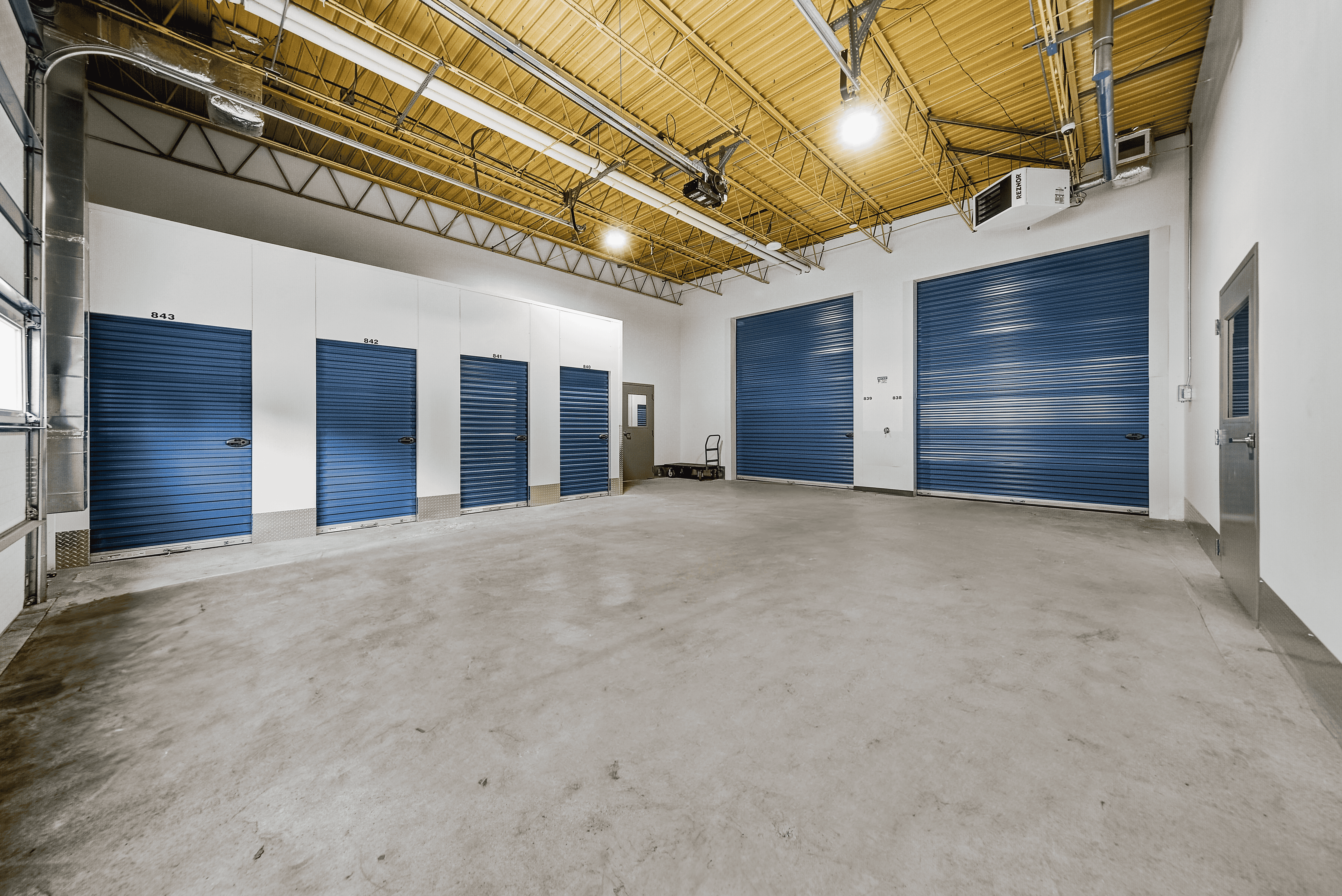
Climate-controlled storage units of various sizes at Storage on 7th in Faribault, Minnesota, with a wide drive-in loading area for tenants.

The short answer: a self storage unit usually runs anywhere from about $50 to over $500 per month, depending on the size, the location, the amenities, and the facility itself. A typical 10x10 unit, which is the most common size people rent, generally lands somewhere between $100 and $180 a month. But the real answer is a little more interesting than that, because pricing in this industry isn't as simple as "size times rate." There are amenities that add to the cost, hidden fees that sneak onto your bill, dynamic pricing models that change the rate based on availability, and seasonal swings that can save you real money if you time it right. I've been running Storage on 7th in Faribault, Minnesota for six years. Below is what I tell people when they ask what storage actually costs and how to budget for it — based on real prices at our facility and what I see across the market. 1. Real Prices by Unit Size Here's what storage costs at Storage on 7th, by size. These give you a sense of the typical range you'll see at any well-run facility: 5x5 unit: starting around $50/month 10x10 unit: typically around $115/month 10x20 unit: typically around $200/month 16x36 unit: starting around $500/month A few things to notice: smaller units cost more per square foot than larger units. A 5x5 ends up being significantly more expensive per square foot than a 16x36. So if you're on the line between sizes, going up to the next size often gets you more space than the price difference would suggest. We also use dynamic pricing, which means the rate on a given unit size changes based on how many of that size are available. If we have ten 5x5 units and all ten are empty, the rate drops to attract tenants. If nine of the ten are full, the rate rises to reflect the scarcity. Most modern facilities, including the big national chains, run some version of this. It's good to know because ...


Ryan E.
November 30th, 2025


Outdoor Vehicle Storage: A Complete Guide for RV, Boat, and Car Owners

Vehicle Storage


Outdoor vehicle storage lot at Storage on 7th in Faribault, MN with painted numbered spots on asphalt and a parked travel trailer and cargo trailer.

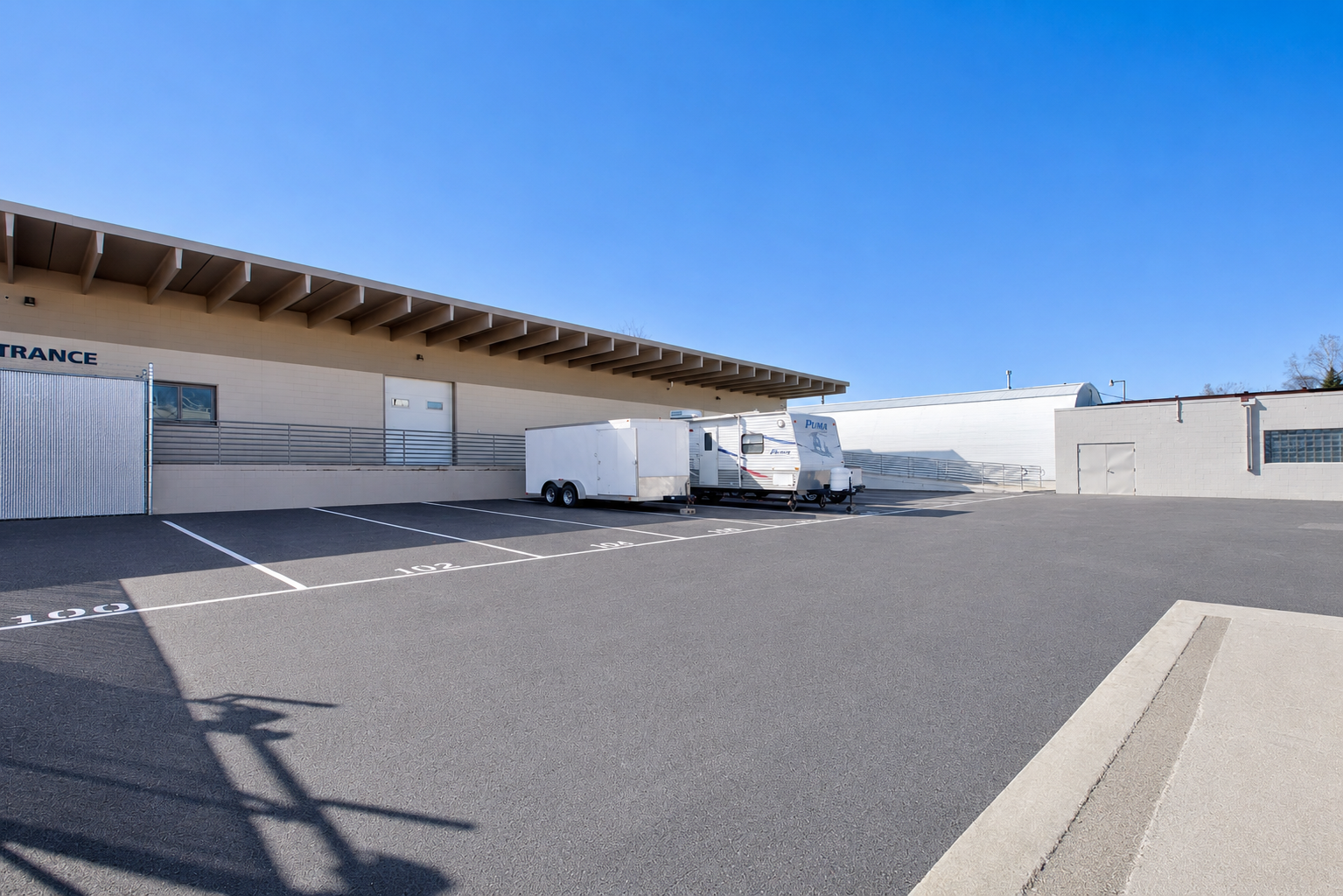
If you've got an RV, a boat, a classic car, a trailer, or an extra vehicle that won't fit in your garage, outdoor vehicle storage is usually the most affordable option for keeping it somewhere safe. It costs a fraction of what indoor storage runs, the lots are typically secured and monitored, and most facilities can accommodate everything from a standard sedan up to a 50-foot motorhome. The catch is that not all outdoor lots are equal. The difference between a well-run lot and a neglected one shows up in surface quality, snow removal, security, pest control, and how much real access you have to your vehicle. I run Storage on 7th in Faribault, Minnesota, and our outdoor vehicle storage serves boat owners, RVers, snowbirds, classic car collectors, and small businesses storing trailers and equipment. Below is what I tell people when they're considering outdoor vehicle storage for the first time. 1. What Outdoor Vehicle Storage Actually Is Outdoor vehicle storage is exactly what it sounds like: a fenced, monitored lot where you park your vehicle for as long as you need it. You back into your assigned spot, lock up, and come back when you're ready to use it again. Unlike indoor storage, your vehicle is exposed to the weather. That tradeoff is the main reason it costs less. For vehicles that are built to handle weather (most boats on trailers, most RVs, most cars and trucks), outdoor storage works fine. For high-end classic cars, show vehicles, or anything you're actively trying to preserve in pristine condition, indoor storage is usually the better call. People use outdoor vehicle storage when: Their RV or boat is too big for their driveway, or their HOA won't allow it They want their boat or RV out of the way during the off-season They're snowbirding south for the winter and need somewhere safe to leave a car They have a classic, project, or extra vehicle that doesn't fit in the garage They run a small business and need to park ...


Ryan E.
March 27th, 2025


How to Choose the Right Self Storage Facility for Your Needs? Decision-making criteria for selecting a facility

Storage Guides


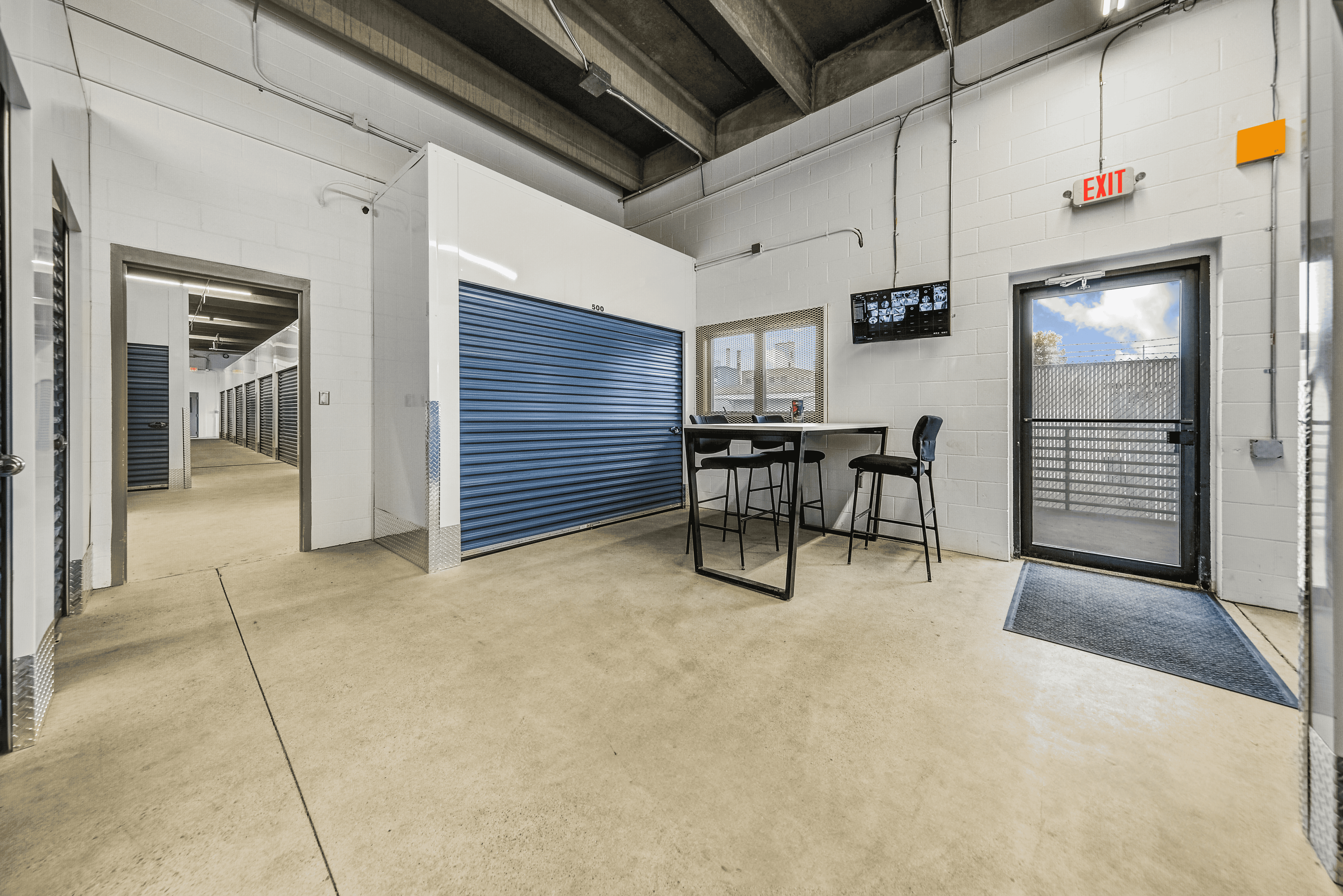
right, clean interior of Storage on 7th in Faribault, Minnesota with a wall-mounted security camera monitor and well-lit hallway of indoor storage units.

If you're shopping for a storage unit, the basic decision isn't that complicated. What makes it hard is that most facilities don't make it easy to compare them honestly. Some advertise low rates and quietly raise them two months later. Others have polished websites but neglected parking lots. And the things that actually matter, like whether you'll feel safe walking in alone after dark, are nearly impossible to figure out without going to see the place yourself.I've been running Storage on 7th in Faribault, Minnesota for six years. We rent everything from 5x5 lockers up to 16x36 commercial units, plus workshop bays, small offices, and indoor and outdoor vehicle storage. So I've seen just about every type of customer come through, and I've heard a lot of stories about why people left their last facility. This guide is what I tell people when they ask how to pick the right place, whether they end up renting from us or not.Here are the nine things to actually pay attention to. 1. Security and Accessibility — The Two Things People Underestimate The single biggest mistake I see people make is choosing a facility based on price without checking how secure or accessible the units actually are. They sign up for the cheapest unit they can find, and three months in they realize they hate visiting the place. I had a tenant move to us from an outdoor storage facility because she was sick of feeling unsafe every time she went to her unit. She'd show up after work in the middle of a Minnesota winter, when it's already dark by 4:30 pm. The lot lights would be flickering, half of them dim or burned out, and she'd be standing in front of an outdoor unit trying to dig through her stuff in the half-dark, glancing over her shoulder the whole time. When she came over to us, the difference was night and day. Indoor halls, full lighting, keypad entry that locks the building down ...


Ryan E.
June 18th, 2024


Indoor vs. Outdoor Vehicle Storage: Which Is Right for Your RV, Boat, or Car?

Vehicle Storage


Which Storage Is Right For you: Indoor or Outdoor

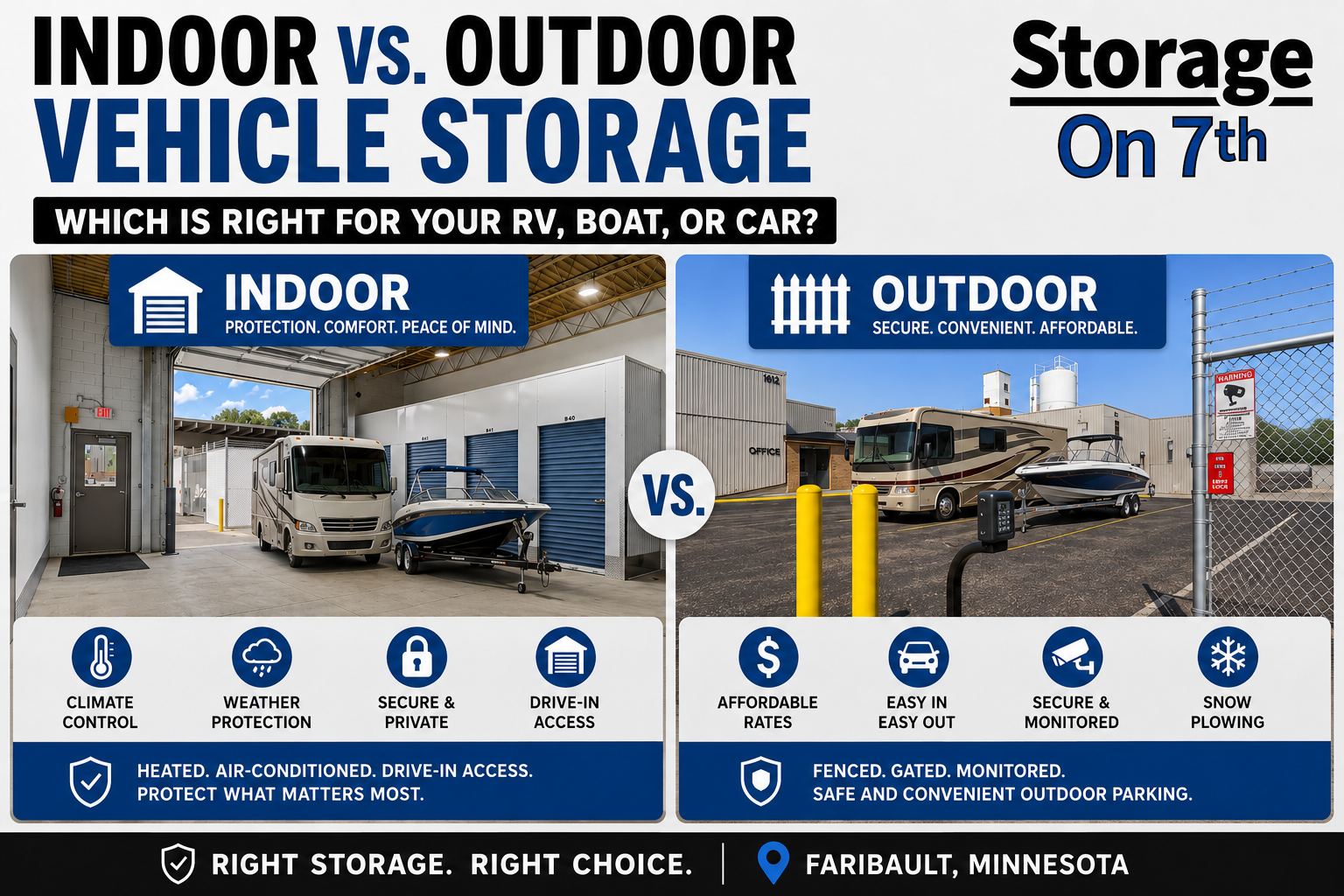
If you've decided you need to store a vehicle somewhere other than your driveway, the next decision is whether to go indoor or outdoor. Most facilities offer both, and the cost difference is significant — indoor typically runs four to six times the price of outdoor for the same footprint. That price gap is real, and the right answer depends entirely on what you're storing, how long you're storing it, and how much you care about its condition when you come back to it. I run Storage on 7th in Faribault, Minnesota, where we offer both indoor and outdoor vehicle storage. Below is the honest comparison I give people when they're deciding between the two — including the cases where I'll actively talk someone out of paying for indoor when they don't need it. 1. The Price Difference Up Front Pricing varies by region and facility, but here's a useful range to anchor on. At Storage on 7th: Outdoor vehicle storage: starts around $60/month for a 10x20 spot and runs up to about $100/month for a 40-foot spot Indoor vehicle storage: runs about $325/month for a comparable 10x20 unit That's roughly a 5x premium for indoor. Over the course of a year, you're looking at $720 outdoor vs. about $3,900 indoor for the same-sized vehicle. Over five years, the gap is more than $15,000. That's not a small difference, and it deserves serious consideration before you default to indoor "just to be safe." 2. What Indoor Storage Actually Gives You That Outdoor Doesn't The premium gets you several real protections: Climate control. Indoor units are heated in winter and air-conditioned in summer. Your vehicle isn't subjected to freeze-thaw cycles, deep cold that strains batteries and fluids, summer heat that degrades interiors and rubber, or humidity swings that promote rust. Total weather protection. No rain, no snow, no hail, no sun, no wind-blown debris, no salt spray during winter road treatment. Your vehicle stays dry and clean. Better pest protection. Most quality outdoor lots have pest control (ours ...


Ryan E.
March 3rd, 2024


Can I Rent a Private Office Space for Just One Person? What a private one-person office actually costs in Faribault, Minnesota — and how to know if it's worth it for your business.

Workshop & Office Spaces


Hallway of private rental offices at Storage on 7th in Faribault, Minnesota, with a furnished suite visible, natural light, and modern finishes.

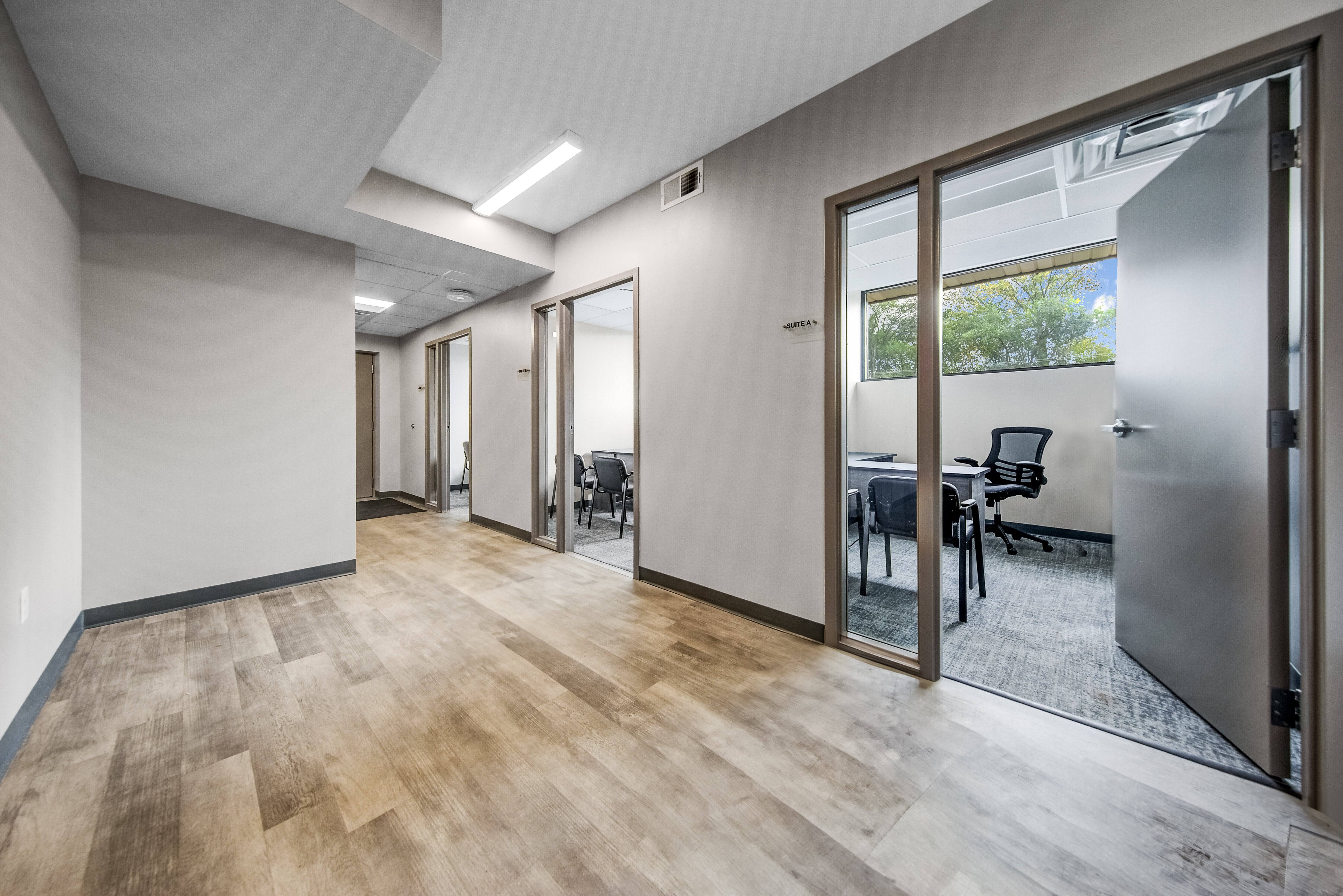
Yes, and it's a more affordable option than most people realize. Single-person private office rentals exist in most towns, even small ones, and they often cost less than a coworking membership in a larger city. At Storage on 7th in Faribault, Minnesota, single-occupant offices run $200 to $400 per month, with everything included. The bigger question isn't whether you can rent one. It's whether it makes sense for what you do, what to look for, and what to ask before you sign. I've been running Storage on 7th for six years, and our offices serve a wide mix of solo operators — from financial services professionals to driving school instructors to one-person logistics companies. Below is what I tell people when they're considering renting their first private office. 1. Yes — Here's What That Looks Like at Storage on 7th Our single-person offices are roughly 100 square feet. That's enough room to fit an L-shaped desk, an office chair, and two lounge or guest chairs for clients. The space comes finished with drywall, windows, carpet, and good lighting. You bring your own furniture and equipment. It's a real, lockable, private office. Not a hot desk, not a shared cubicle. When you leave at the end of the day, you close the door behind you and everything stays exactly how you left it. That's a meaningful difference from most coworking arrangements, where you have to clean up your station every time you leave. 2. What It Costs Pricing for single-person offices at Storage on 7th ranges from $200 to $400 per month, depending on the specific office and finish. For context, that's typically less than: A traditional commercial lease of similar size, once you factor in separate utilities, internet, and trash service A premium membership at a coworking space in a metro area A private office at a national executive suite chain like Regus or WeWork It's worth noting that coworking spaces in small towns like Faribault are uncommon, and the few that exist often don't offer true private ...


Ryan E.
October 27th, 2023


Climate-Controlled vs. Non-Climate-Controlled Storage: Which Do You Really Need?

Storage Guides


Climate-controlled vs Non-climate controlled Storage

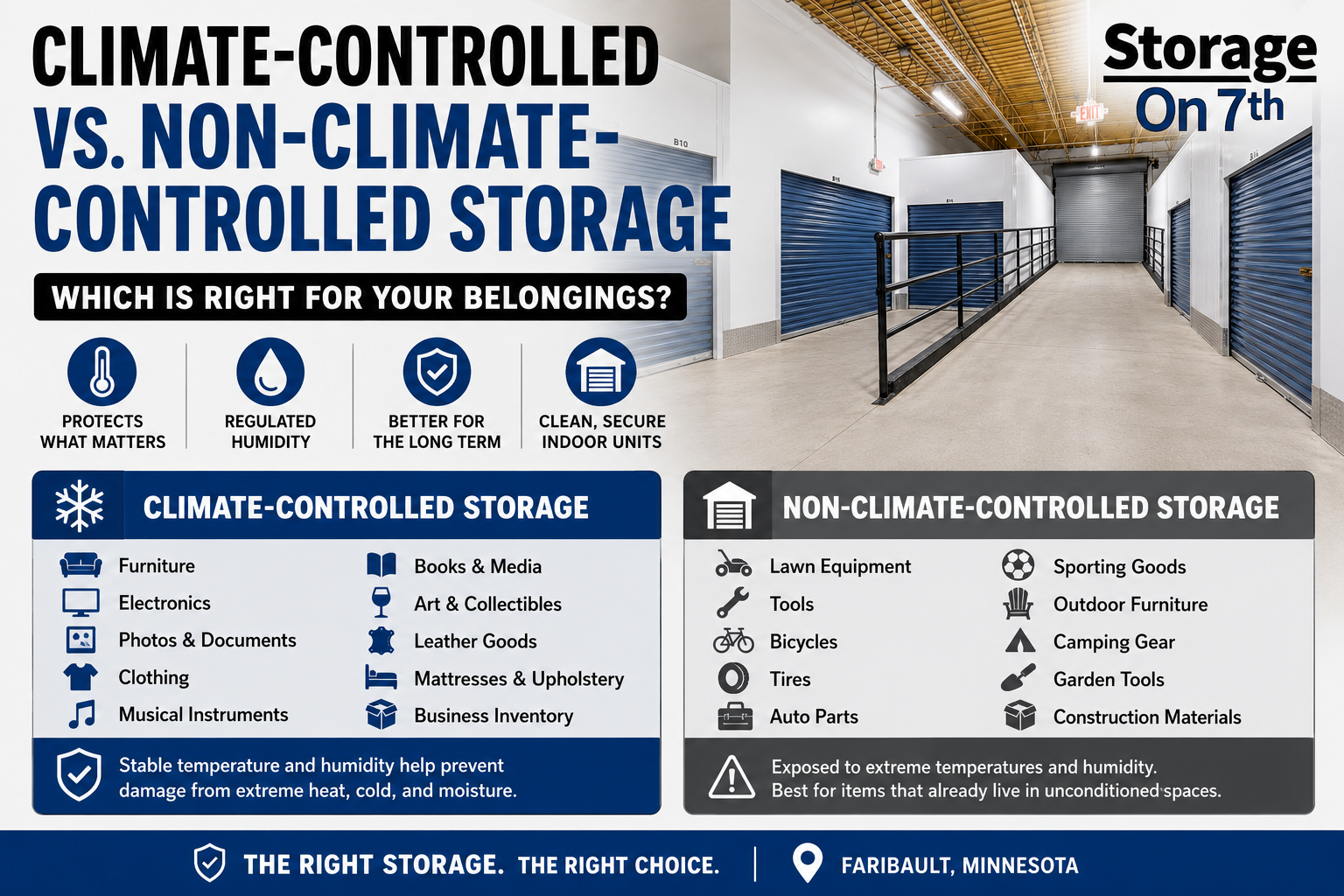
Walk into any storage shopping process and you'll quickly hit a fork in the road: climate-controlled units or non-climate-controlled? The climate-controlled units are usually 25 to 50 percent more expensive, and the facility website will list a lot of reasons why they're worth the extra money. Whether that's actually true for your specific situation is a different question. The honest answer is that climate control matters a lot for some belongings and not at all for others. Paying for it on the wrong stuff is a waste of money. Not paying for it on the right stuff can cost you many times more than you saved. I run Storage on 7th in Faribault, Minnesota, and we only offer climate-controlled units. That's a deliberate choice, and I'll explain why later in the post. But first, here's how to think about which type of storage you actually need. 1. What Climate-Controlled Storage Actually Is Climate-controlled storage means the unit is kept in a regulated temperature range year-round — typically somewhere between 55°F and 80°F — and often with humidity controlled to prevent extremes. In Minnesota terms, that means your unit doesn't drop below freezing in January and doesn't bake in July heat. It also means the air inside isn't swinging from bone-dry winter conditions to muggy summer humidity. Non-climate-controlled storage, sometimes called "drive-up" storage or outdoor sheds, has none of that regulation. The inside of the unit tracks closely with the outside temperature and humidity. In Minnesota, that means real extremes: -20°F in winter and 90°F+ with high humidity in summer. 2. What Climate Control Actually Protects Against The wear and tear on stored items isn't usually from a single dramatic event. It's from cumulative exposure to: Freeze-thaw cycles. When temperatures swing back and forth across freezing, materials expand and contract repeatedly. This destroys glued joints in furniture, cracks plastics, and can warp wood over time. Extreme cold. Below-freezing temperatures damage anything water-based (paint, certain adhesives, batteries, electronics), can crack vinyl records and old photos, and ...


Ryan E.
January 20th, 2023