.png)
How Much Does a Storage Unit Cost Per Month?
Self storage and vehicle storage prices, hidden fees, seasonal pricing, and money-saving tips for renters in Faribault, MN
How Much Does a Storage Unit Cost Per Month?
Self storage and vehicle storage prices, hidden fees, seasonal pricing, and money-saving tips for renters in Faribault, MN
Ryan E.
November 30th, 2025
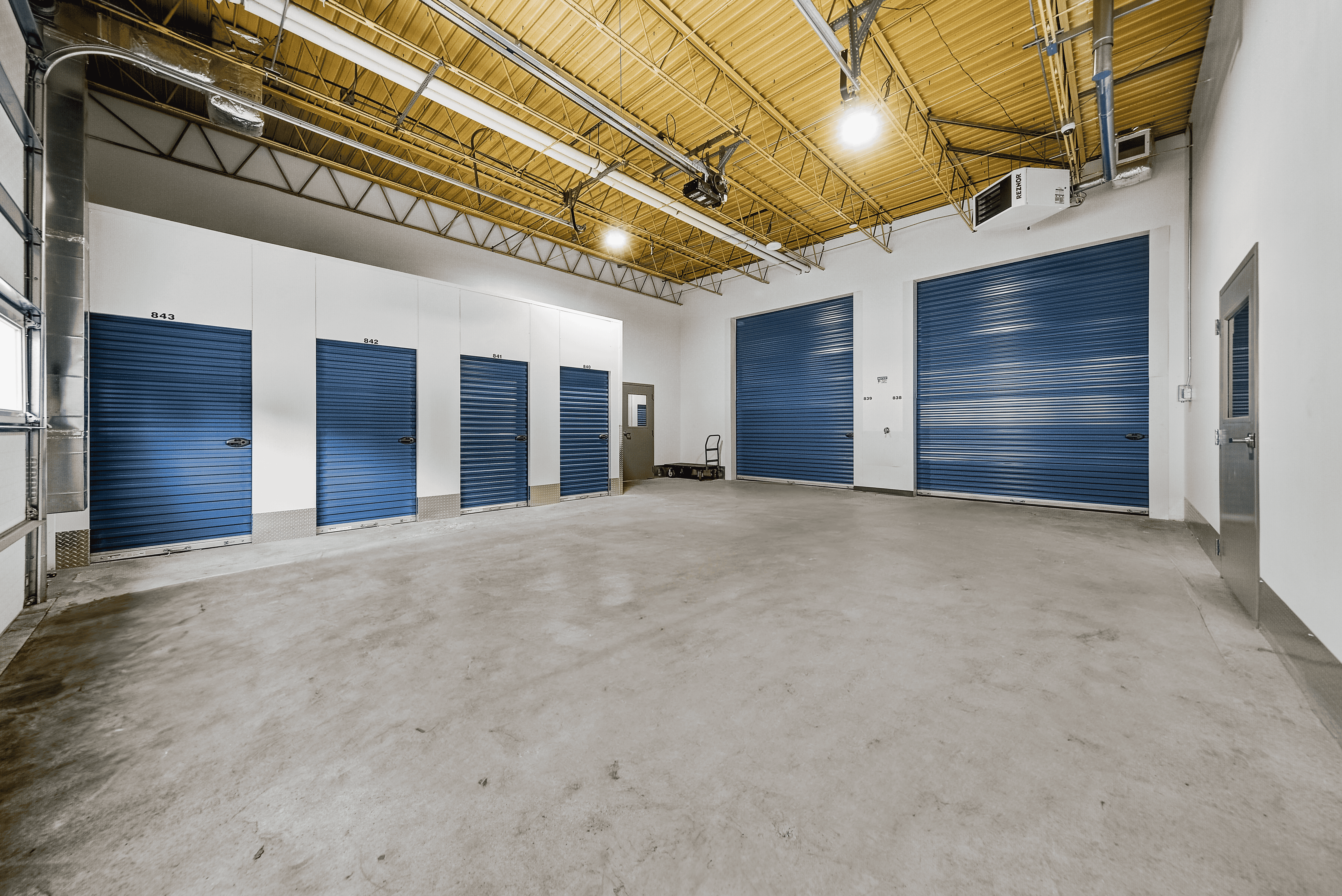
The short answer: a self storage unit usually runs anywhere from about $50 to over $500 per month, depending on the size, the location, the amenities, and the facility itself. A typical 10x10 unit, which is the most common size people rent, generally lands somewhere between $100 and $180 a month. But the real answer is a little more interesting than that, because pricing in this industry isn't as simple as "size times rate." There are amenities that add to the cost, hidden fees that sneak onto your bill, dynamic pricing models that change the rate based on availability, and seasonal swings that can save you real money if you time it right. I've been running Storage on 7th in Faribault, Minnesota for six years. Below is what I tell people when they ask what storage actually costs and how to budget for it — based on real prices at our facility and what I see across the market.
1. Real Prices by Unit Size
Here's what storage costs at Storage on 7th, by size. These give you a sense of the typical range you'll see at any well-run facility:
- 5x5 unit: starting around $50/month
- 10x10 unit: typically around $115/month
- 10x20 unit: typically around $200/month
- 16x36 unit: starting around $500/month
A few things to notice: smaller units cost more per square foot than larger units. A 5x5 ends up being significantly more expensive per square foot than a 16x36. So if you're on the line between sizes, going up to the next size often gets you more space than the price difference would suggest. We also use dynamic pricing, which means the rate on a given unit size changes based on how many of that size are available. If we have ten 5x5 units and all ten are empty, the rate drops to attract tenants. If nine of the ten are full, the rate rises to reflect the scarcity. Most modern facilities, including the big national chains, run some version of this. It's good to know because it means the price you see today might not be the price you see next month.
2. Why Two Facilities Charge Wildly Different Prices for the Same Size
Call around in a town like Faribault and you'll see the same nominal size — say, a 10x10 — quoted anywhere from $100 to $180 a month. The size is the same. The experience is not. The cheapest end of that range is usually an outdoor shed-style unit with no climate control, basic security, and a "you get what you pay for" approach to maintenance. They work fine for things you don't care much about — old lawn equipment, garage clutter, stuff you'd be okay losing if a pipe burst or rodents got in. The higher end of that range buys you a heated and air-conditioned unit, indoor access, modern security cameras, keypad entry, drive-in unloading, a clean facility, and an owner or manager who actually responds when something comes up. For anything you'd be upset about losing — furniture, electronics, family items, business inventory — the higher rate is almost always worth it. A $50/month savings doesn't help much if you ruin a $2,000 couch in a freezing outdoor shed. When you're comparing prices across facilities, you're not really comparing the same product. You're comparing two different levels of protection for your stuff.
3. Vehicle Storage Is Priced Differently
If you're storing a boat, RV, car, or motorcycle, the pricing model shifts. Most facilities break vehicle storage into outdoor and indoor. At Storage on 7th, here's the rough range:
- Outdoor vehicle storage: starting around $60/month for a 10x20 spot (fits a standard car) up to about $100/month for a 40-foot spot (fits a large RV or camper).
- Indoor vehicle storage: runs about $125/month more than a comparable storage unit. For example, our 10x20 indoor vehicle storage is around $325/month, while a regular 10x20 storage unit is closer to $200. The premium covers the wider drive-in access that vehicle storage requires.
If you're storing a vehicle seasonally (a boat over the winter, an RV during the off-season), outdoor storage in a fenced, secured lot is usually the most cost-effective option. If you've got a vehicle you actually care about — a classic car, a high-end RV, anything with paint or interior you want to protect — indoor heated storage is worth the premium.
4. The Real Monthly Cost (Beyond Just Rent)
When you budget for storage, you need to budget for more than just the headline rent number. Here's what to expect: Insurance. Most facilities require some form of insurance on your stored belongings. We offer it through our facility starting at $12/month for $2,000 of coverage. But before you sign up for it, check your existing homeowners or renters policy. Many policies cover items in self storage automatically, and if yours does, you can often provide a copy of that policy and skip the facility's insurance entirely. As an owner, I'd rather see my tenants use coverage they already have than double-pay. Move-in admin fee. This is usually a one-time charge at signup. Worth asking about up front so it doesn't surprise you on your first invoice. Locks. We sell a basic disc lock for $19.99 as a one-time purchase, but you're welcome to bring your own. We don't require a specific lock type. Some facilities require you to buy their lock at a markup — that's worth checking before you commit. Late fees. Our facility offers a five-day grace period after rent is due before any late fee applies, which I'd consider a fair industry standard. Some facilities charge late fees the day after the due date. Ask. So a $115/month unit might really be a $127/month unit once insurance is added — or stay at $115/month if you can use your existing homeowners policy. The headline rate is just the starting point.
5. Average Length of Stay (and Why It Matters for Your Budget)
When people sign up for storage, they almost always think they'll need it for less time than they actually do. The average length of stay at our facility is six months to a year, and a lot of tenants who came in thinking "just a few months" end up staying multiple years. Why does this matter? Because $115/month sounds modest, but $115/month for two years is $2,760. Run that math when you're deciding what to store. If you're paying nearly $3,000 over two years to store items worth $500, the math doesn't pencil out. One small money-saving tip: we operate month-to-month, with rent charged on the first of each month. If you move in mid-month, we prorate that first month so you only pay for the days you have the unit. Unfortunately, we can't prorate move-out, so if you know you're done with the unit, plan to move out toward the end of the month so you get full value from the rent you've already paid.
6. Seasonal Pricing Patterns in Faribault
Demand for storage isn't constant. It surges and dips throughout the year, and because most facilities use dynamic pricing, those swings affect what you'll pay. Demand goes up in spring, when people do spring cleaning, prep their homes for sale, or start summer renovation projects. It also goes up in late summer and early fall, when people are storing items before winter or transitioning between homes. In Faribault specifically, we see a predictable rhythm tied to Shattuck-Saint Mary's, the local boarding school. Students move out in May and need storage through the summer, then move back in August. That cycle drives a noticeable bump in our smaller unit demand. If you have flexibility on timing, late spring or late fall tends to be when our dynamic pricing dips lowest — between the seasonal demand peaks. Check rates in those windows for the best deals.
7. Legitimate Ways to Lower Your Monthly Cost
A few ways that actually work, beyond just shopping around:
- Prepay annually. We offer one free month if you prepay 12 months in advance. Many facilities offer something similar. If you're confident you'll need the unit for a year, this is one of the easiest savings to capture.
- Use a referral program. We give existing tenants a credit toward their next month's rent for referring new tenants. If you have friends or family also looking for storage, send them your way and you both win.
- Share a unit. Splitting a 10x20 with a family member or friend is almost always cheaper than each of you renting a 10x10, because larger units have a lower cost per square foot. If you trust the person, this is one of the biggest cost-savers available.
- Tell the manager what you actually need. When you call or visit, be specific about whether you're prioritizing the lowest possible rate, the easiest access, the best security, or climate control. A good facility manager can steer you toward the unit that fits your priorities — sometimes that's a less convenient location within the facility at a lower price.
8. When Storage Isn't Worth the Money
Honest take: not everyone who calls about a storage unit should rent one. If you're storing what I'd call "garage stuff" — old tools, lawn equipment, things that aren't going to be ruined by temperature swings or a little dust — you don't need a climate-controlled unit. You can almost always find a cheaper non-climate option that does the job. I'll often recommend that out loud, even though it sends business elsewhere, because it's the right answer for that customer. The bigger question is whether you should be storing the items at all. Before you sign up for any unit, ask yourself a few honest questions:
- Is this stuff replaceable? If it can be re-bought for less than what you'll pay in storage rent over the time you'll need it, sell it now, hold the cash, and buy what you need when you need it. I had my own storage unit at one point and ran exactly this math on my own belongings. It surprised me how much of it didn't pass the test.
- When did you last touch it? If something has been in a box for a year and you haven't missed it, there's a good chance you don't actually need it.
- Could someone else use it? Donating items to family, friends, or a local thrift store frees up your budget and keeps the items in use.
The exception to all of this: items that genuinely aren't replaceable. Family heirlooms, photo albums, kids' art, things with sentimental value. The math doesn't apply to those, and storage is often exactly the right home for them while you figure out where they'll live long term.
9. A Simple Framework Before You Rent
Before you sign anything, take a few minutes and run this quick check:
- What size do I actually need? (Use the storage calculator on a facility's website, or use the rule of thumb that a 10x10 holds roughly a bedroom's worth of stuff.)
- What's the true monthly cost, including insurance, admin fees, lock, and any access fees?
- How often does this facility raise rent, and by how much?
- Do I really need everything I'm planning to store, or could some of it be sold or donated?
- How long am I realistically going to need this — and what's the total cost over that time?
If the math still works after answering all five, you've got a clear picture of what you're committing to.
A Final Word from Faribault
Storage costs vary more than people realize, and the difference between a poorly priced rental and a well-thought-out one can add up to thousands of dollars over time. The good news is that with a little research, the right size, and a few honest questions, you can land on a unit that fits both your budget and your needs. If you're in the Faribault, Minnesota area and want to talk through pricing, sizes, or whether storage even makes sense for what you have, we're happy to help. Self storage from 5x5 up to 16x36, workshop and office space, indoor and outdoor vehicle storage, transparent pricing, no required lock, flexible insurance options, and an owner who'll tell you straight up if storage isn't the right answer for you. Stop by, give us a call, or use the storage calculator on our website to see what fits.
The 7th Street Journal