.png)
Outdoor Vehicle Storage: A Complete Guide for RV, Boat, and Car Owners
Outdoor Vehicle Storage: A Complete Guide for RV, Boat, and Car Owners
Ryan E.
March 27th, 2025
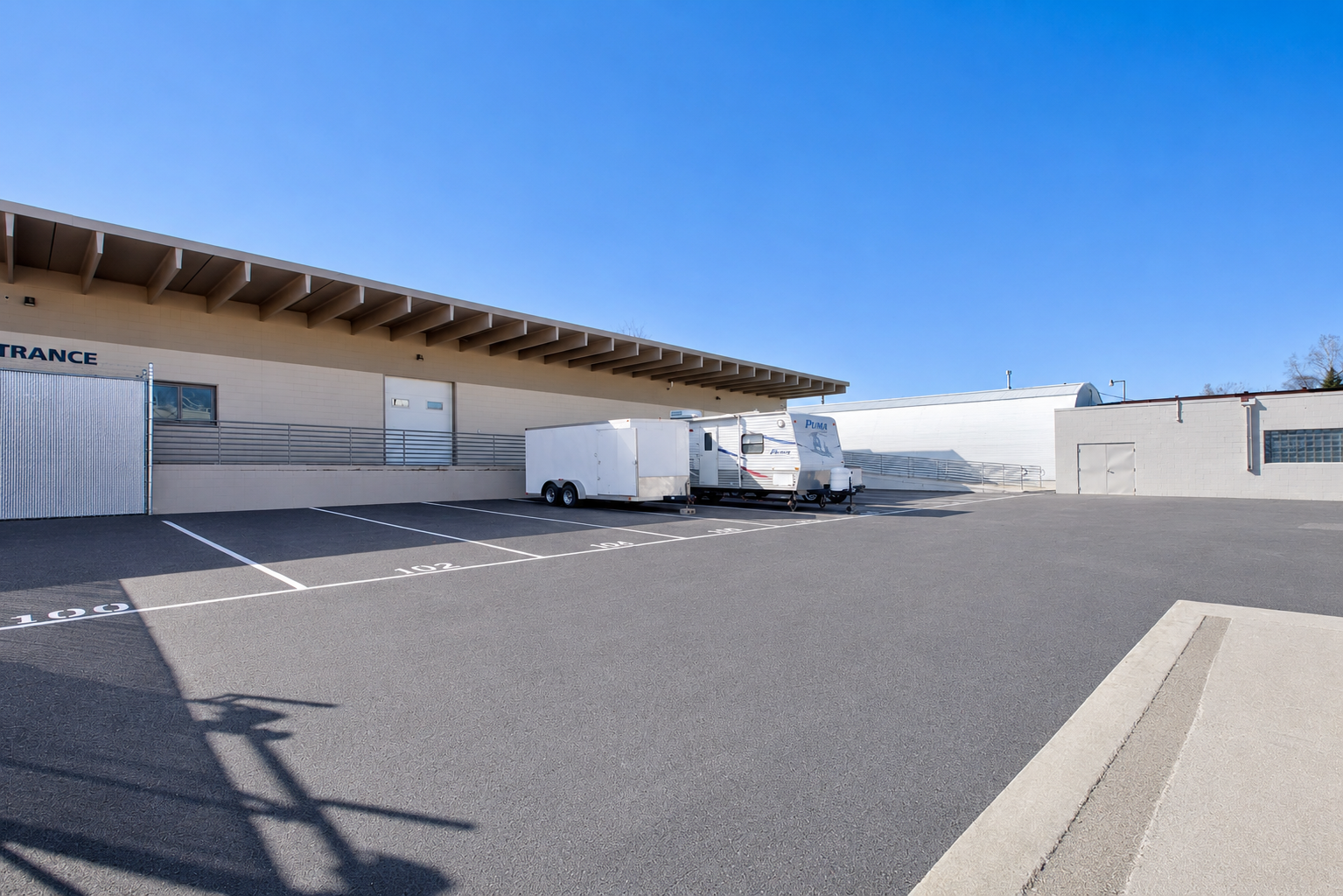
If you've got an RV, a boat, a classic car, a trailer, or an extra vehicle that won't fit in your garage, outdoor vehicle storage is usually the most affordable option for keeping it somewhere safe. It costs a fraction of what indoor storage runs, the lots are typically secured and monitored, and most facilities can accommodate everything from a standard sedan up to a 50-foot motorhome. The catch is that not all outdoor lots are equal. The difference between a well-run lot and a neglected one shows up in surface quality, snow removal, security, pest control, and how much real access you have to your vehicle. I run Storage on 7th in Faribault, Minnesota, and our outdoor vehicle storage serves boat owners, RVers, snowbirds, classic car collectors, and small businesses storing trailers and equipment. Below is what I tell people when they're considering outdoor vehicle storage for the first time.
1. What Outdoor Vehicle Storage Actually Is
Outdoor vehicle storage is exactly what it sounds like: a fenced, monitored lot where you park your vehicle for as long as you need it. You back into your assigned spot, lock up, and come back when you're ready to use it again. Unlike indoor storage, your vehicle is exposed to the weather. That tradeoff is the main reason it costs less. For vehicles that are built to handle weather (most boats on trailers, most RVs, most cars and trucks), outdoor storage works fine. For high-end classic cars, show vehicles, or anything you're actively trying to preserve in pristine condition, indoor storage is usually the better call. People use outdoor vehicle storage when:
- Their RV or boat is too big for their driveway, or their HOA won't allow it
- They want their boat or RV out of the way during the off-season
- They're snowbirding south for the winter and need somewhere safe to leave a car
- They have a classic, project, or extra vehicle that doesn't fit in the garage
- They run a small business and need to park trailers, work vehicles, or equipment
2. What Sizes Are Available and What Fits in Each
Outdoor storage spots are usually 10 feet wide, with the length varying based on what they're built to fit. At Storage on 7th, our outdoor vehicle storage runs from 10x20 spots all the way up to 50-foot spots, all on asphalt with painted lines marking each space. Here's a rough guide to what fits in each common size:
- 10x20: A standard car or pickup, motorcycle on a trailer, small boat on a trailer
- 10x30: A larger truck, a mid-size boat, a small travel trailer or pop-up camper
- 10x40: A large boat on a trailer, a Class C motorhome, a longer travel trailer
- 10x50: A large fifth-wheel, a Class A motorhome, or a long boat with a tow vehicle attached
When you're sizing up a spot, measure your vehicle plus the trailer (if applicable) plus a few extra feet of buffer for backing in, opening doors, and dropping a tongue jack. It's better to oversize by a foot or two than to be cramped.
3. What Outdoor Vehicle Storage Costs
Pricing varies by region and facility, but here's a useful range to anchor on. At Storage on 7th, outdoor vehicle storage starts around $60/month for a standard 10x20 spot and runs up to about $100/month for a 40-foot spot. For comparison, indoor vehicle storage at the same facility is closer to $325/month for a 10x20. Going outdoors saves you real money — typically 70-80% less than indoor for a comparable footprint. A few things that affect price across the market:
- Spot size. Larger spots cost more, but the per-foot price usually drops as the spot gets bigger.
- Security and amenities. A fully fenced, monitored, lit lot will cost more than an unfenced gravel field. Worth every dollar.
- Location. Storage near major metro areas costs more than storage in smaller towns. If you live in a suburb of a big city, driving 20-30 minutes out to a town like Faribault often saves significant money.
- Surface quality. Asphalt or concrete lots tend to cost a little more than gravel or dirt. The difference shows up in how clean your vehicle stays and how well the lot drains in spring.
4. What to Look for in an Outdoor Storage Lot
Not all outdoor lots are equal. Here's what to check before you commit: Surface. Asphalt or concrete is best. It drains well, keeps your vehicle clean, and doesn't turn into a mud pit in spring. Gravel is acceptable. Dirt or grass should give you pause, especially if the lot tends to flood or gets soft in wet weather. Painted spot lines. A lot with clearly marked spots means you know exactly what you're paying for and you don't have to worry about a neighbor crowding your space. Every spot in our lot is painted on asphalt. Fencing. A complete perimeter fence is non-negotiable for anything you actually care about. Barbed wire on top is a strong bonus, since it deters anyone who might consider hopping the fence. Gated entry. Look for keypad entry that limits access to tenants only. A gate that's open to the public is barely better than no gate at all. Security cameras. Ask where the cameras are pointed and whether the lot has full coverage. Recorded footage helps after the fact, and visible cameras deter problems before they happen. Lighting. Motion-activated lights are ideal — they signal that anyone in the lot at night will be seen. Even constant lighting is better than darkness. Pest control. This is one most people don't think to ask about, but rodents nesting in engine bays and chewing through wiring is a real and expensive problem with outdoor vehicle storage. A facility that runs active pest control is protecting your vehicle in a way you'll never see but will absolutely appreciate when nothing goes wrong. Snow removal. In Minnesota, this is critical. We plow our outdoor storage lot all winter so tenants can actually access their vehicles. A lot that doesn't plow leaves you with a buried vehicle and no real way to get to it from December through March. Always ask. Access hours. Most facilities have standard hours. Ours run 6 AM to 10 PM, which works for the vast majority of tenants. If you need 24/7 access — for example, a boat owner heading out for a 4 AM fishing trip — ask whether that's available. We can offer 24/7 access by arrangement with the facility manager.
5. Indoor vs. Outdoor: When to Spend the Extra
The price difference between indoor and outdoor vehicle storage is significant. Indoor typically runs four to six times the cost of outdoor for an equivalent footprint. The question is whether the extra spend is worth it for your specific vehicle.
Outdoor is usually fine for:
- Boats on trailers (built to handle weather)
- Most RVs, especially if you'll use them seasonally and prep them properly
- Standard cars and trucks
- Trailers, equipment, work vehicles
- Anything you'd normally leave in a driveway anyway
Indoor is worth the premium for:
- Classic cars, show cars, or anything with paint you want to preserve
- High-end RVs you want kept clean and climate-stable
- Vehicles with sensitive electronics or specialty interiors
- Anything you'd want to access in any weather without scraping snow off
- Anything you'd be heartbroken about if it got hailed on
If you're on the fence, ask yourself: would I be comfortable leaving this vehicle in my driveway year-round? If yes, outdoor storage is fine. If no, look at indoor.
6. How to Prep Your Vehicle for Outdoor Storage
A few hours of prep before you park your vehicle for an extended stay can save you a lot of headaches when you come back to it. For boats:
- Drain the water system if you're storing through winter
- Disconnect the battery, or use a trickle charger if you have access to power
- Cover the boat with a fitted, breathable cover
- Add fuel stabilizer to the gas tank
- Block trailer wheels if needed
For RVs:
- Winterize the water system if storing through cold weather
- Disconnect the battery or use a battery maintainer
- Cover the tires — sun and ozone degrade them faster than driving does
- Pull window shades to protect the interior
- Clean out all food and remove anything that might attract rodents
- Use a quality cover if your budget allows
For cars:
- Fill the gas tank and add fuel stabilizer
- Disconnect the battery or use a trickle charger
- Inflate tires to the upper end of the recommended range to prevent flat spots
- Clean the interior thoroughly (any food residue is a rodent magnet)
- Use a breathable cover
We don't have dedicated electricity at every outdoor spot, but if you're an RV owner who needs power for a trickle charger or maintainer, ask the facility manager. We can usually find you a spot close to an outlet.
7. The Faribault Winter Factor
Outdoor vehicle storage in Minnesota means thinking about winter specifically. A few things to plan for: Snow accumulation. Lots that don't plow will leave your vehicle buried for months. We plow throughout the winter so tenants can access their vehicles whenever they want. If you're shopping facilities elsewhere, ask whether they plow and how often. Battery drain. Cold kills batteries. If you're storing a vehicle for the entire winter, plan on disconnecting the battery, using a trickle charger, or showing up periodically to start it. Tires. Tires lose pressure in cold weather and can develop flat spots if a vehicle sits in one position for months. Inflate to the upper end of the recommended range before storing. Fluids. Make sure your antifreeze, washer fluid, and any other fluids are rated for the temperatures you'll actually see. This matters more for RVs than cars, since RV plumbing can be severely damaged by freezing.
8. Rules to Know Before You Sign
Most facilities have a few basic requirements to keep the lot safe and well-managed. At Storage on 7th, the rules are simple:
- The vehicle must be in operating condition. No abandoned vehicles, no project cars that haven't run in years.
- The vehicle must be registered. Current tags required.
- The vehicle must be insured. This protects both you and the facility if something happens.
Beyond that, you can store whatever fits — RVs, boats, cars, trucks, trailers, work equipment, motorcycles. These rules are pretty standard across the industry. If a facility has no rules at all, that's actually a yellow flag. It usually means the lot is full of dead vehicles and the management isn't paying close attention to what's parked there.
9. A Quick Checklist Before You Sign
Before you commit to an outdoor vehicle storage spot, run through this:
- Is the lot fenced, gated, and well-lit?
- Is the surface asphalt, concrete, or at least firm gravel?
- Are there clearly marked spots so you know what you're getting?
- Does the facility have security cameras and pest control?
- Do they plow snow in winter?
- Are the access hours workable for your schedule?
- Is your vehicle registered, insured, and in operating condition?
- Do you need power for a trickle charger, and if so, is there a spot available near an outlet?
If you're getting yes answers across the board, you've found a good outdoor storage option.
A Final Word from Faribault
Outdoor vehicle storage is one of the most underrated services in the storage industry. It's affordable, it solves a real problem for anyone with a vehicle that won't fit at home, and a well-run lot keeps your vehicle as safe as you'd want. If you're in or near Faribault, Minnesota and you're looking for outdoor storage for an RV, boat, car, or trailer, we'd be glad to show you our lot. Asphalt surface with painted lines, spots from 10x20 up to 50 feet, full perimeter fencing with barbed wire, keypad entry, motion lighting, security cameras, active pest control, and snow removal all winter long. Standard access from 6 AM to 10 PM, with 24/7 access available by request. Pricing starts at $60/month for a standard car-sized spot and runs up to about $100/month for a large camper. Month-to-month leases, no long-term commitment, and an owner who actually answers the phone. Stop by, take a look, and ask whatever you want.
The 7th Street Journal