.png)
How to Choose the Right Self Storage Facility for Your Needs?
Decision-making criteria for selecting a facility
How to Choose the Right Self Storage Facility for Your Needs?
Decision-making criteria for selecting a facility
Ryan E.
June 18th, 2024
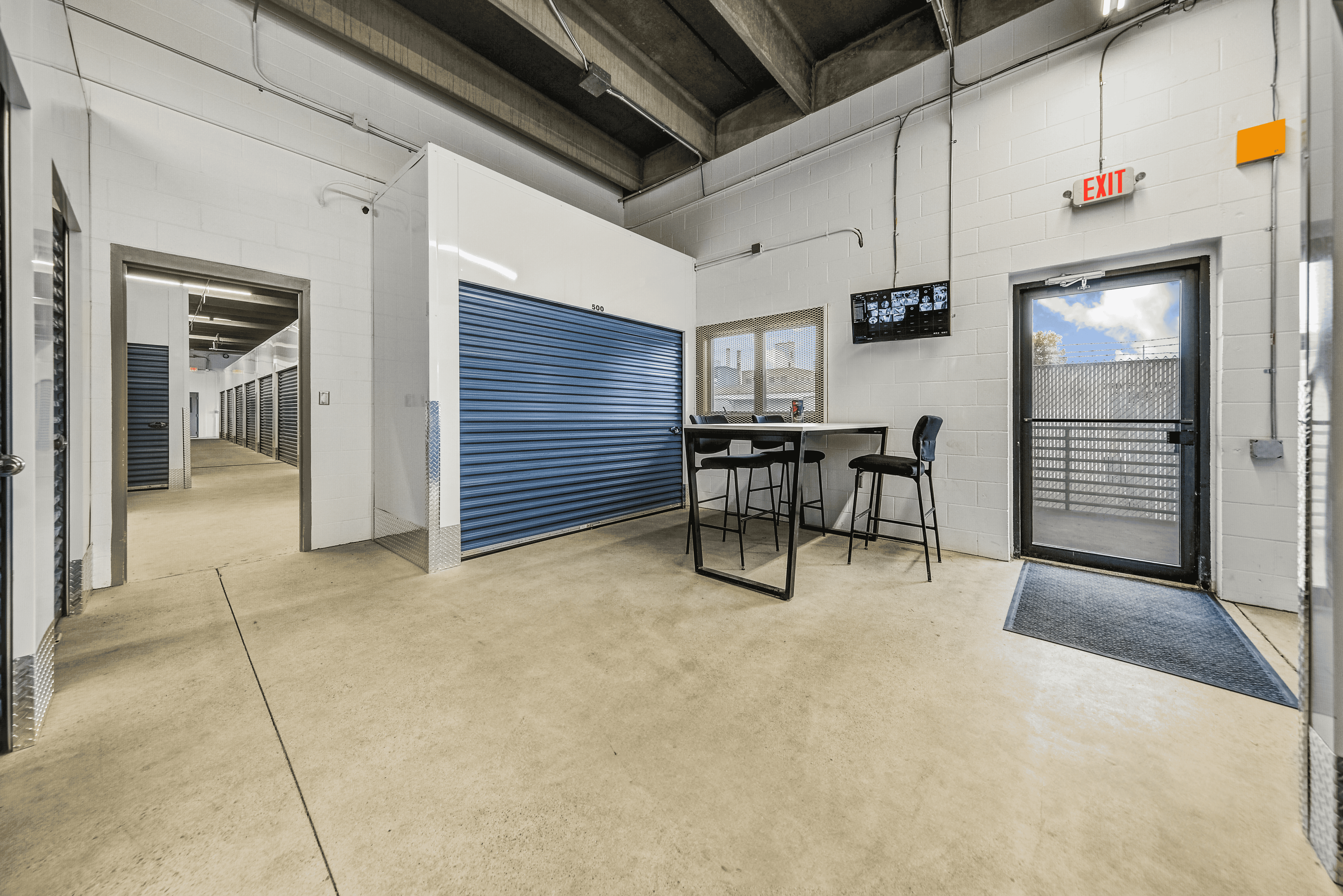
If you're shopping for a storage unit, the basic decision isn't that complicated. What makes it hard is that most facilities don't make it easy to compare them honestly. Some advertise low rates and quietly raise them two months later. Others have polished websites but neglected parking lots. And the things that actually matter, like whether you'll feel safe walking in alone after dark, are nearly impossible to figure out without going to see the place yourself.I've been running Storage on 7th in Faribault, Minnesota for six years. We rent everything from 5x5 lockers up to 16x36 commercial units, plus workshop bays, small offices, and indoor and outdoor vehicle storage. So I've seen just about every type of customer come through, and I've heard a lot of stories about why people left their last facility. This guide is what I tell people when they ask how to pick the right place, whether they end up renting from us or not.Here are the nine things to actually pay attention to.
1. Security and Accessibility — The Two Things People Underestimate
The single biggest mistake I see people make is choosing a facility based on price without checking how secure or accessible the units actually are. They sign up for the cheapest unit they can find, and three months in they realize they hate visiting the place. I had a tenant move to us from an outdoor storage facility because she was sick of feeling unsafe every time she went to her unit. She'd show up after work in the middle of a Minnesota winter, when it's already dark by 4:30 pm. The lot lights would be flickering, half of them dim or burned out, and she'd be standing in front of an outdoor unit trying to dig through her stuff in the half-dark, glancing over her shoulder the whole time. When she came over to us, the difference was night and day. Indoor halls, full lighting, keypad entry that locks the building down to tenants only, security cameras covering every inch of the property. She told me she didn't realize how much that low-grade dread had been wearing on her until it was gone. When you're touring a facility, ask yourself: would I be comfortable here at night, by myself, with nobody else around? If the answer is no, keep looking.
2. The Five-Minute Walk-Through Test
You can learn a lot about how a facility is run in the first five minutes of a tour. Here's what to look for:
- Dented unit doors. Tells you the doors are old, possibly damaged, and the facility either can't or won't replace them.
- Weak or broken lock mechanisms. Self-explanatory. If they can't keep the doors and locks in good shape, what else are they letting slide?
- Bad lighting in the halls or on the property. Both a security issue and a sign that nobody's checking on the place regularly.
- A messy property. Trash blowing around, abandoned belongings sitting outside units, junk piled in corners. This means nobody walks the property regularly.
- Poor or missing directional signage. Hard to find your unit, hard to find the office, hard to find the exit. Small thing, but it tells you the owner doesn't think much about the tenant experience.
Any one of these on its own isn't a death sentence. But if you see two or three, the facility is being neglected, and your stuff is going to feel that neglect over time.
3. Get a Straight Answer About Rent Increases
This is one of the sneakiest things in the storage business, and almost nobody asks about it. A lot of facilities advertise a low introductory rate to get you in the door. You spend a whole weekend hauling your stuff over, get everything organized just right, and then two or three months later you get a notice that your rent is going up 20%. Now you're stuck. Moving again would cost you another weekend and probably a truck rental, so most people just eat the increase. Here's the question to ask before you sign anything: "How often do you do rent increases, and how much do they typically go up by?"A good operator will give you a clear, direct answer. Something like "we review rates annually, and increases are usually in the 3-5% range when the market moves." If the person you're talking to dodges the question, gives you a vague non-answer, or genuinely doesn't seem to know, that's a red flag. Either they don't want to disclose it until you're locked in, or they don't know their own business well enough to tell you.
4. The Right Size — A Simple Rule of Thumb
One of the hardest parts of renting storage is figuring out what size you actually need. A "10x10" or "10x20" doesn't mean much when you're staring at a website trying to imagine your couch fitting inside.The simplest mental shortcut I give people: a standard bedroom is roughly 10x10. So a 10x10 storage unit holds about a bedroom's worth of stuff. If you need more than that, double it to a 10x20. If you need less, a 5x5 is about a quarter the size.If you want a more precise estimate, the storage calculator on our website lets you enter exactly what you're storing. You add in two couches, a dresser, a kitchen table, a few boxes, and it tells you what unit size fits and what percent of the unit will be full. Most other facility websites have something similar. It's worth using before you commit, because moving up or down a unit size after you've moved in is a hassle.
5. Location Matters Less Than You Think
Most articles tell you to pick the closest facility to your home. I think that advice is a little lazy.Here's the thing: most people don't actually visit their storage unit very often. You make one trip when you move stuff in, occasional trips when you need something specific, and one trip when you move out. Maybe a handful of trips a year for the average renter. Across the life of your rental, the difference between a 5-minute drive and a 15-minute drive adds up to maybe an extra hour of driving per year.A 10-minute drive to a clean, secure, well-managed facility with a friendly owner is going to make your life dramatically better than a 5-minute drive to a place where the lights flicker and the doors are dented.When you're comparing facilities, look at online reviews. Real tenants write honestly about what it's like to actually use the place — the staff, the cleanliness, the access, the billing, the headaches. Reviews are usually the single best signal of what your experience is going to be like.
6. The Amenities That Actually Matter (And the Ones That Don't)
Facilities advertise a lot of features. Some of them genuinely change your day-to-day experience. Others are nice to have but you'll never notice.
The amenities you'll feel right away:
- Climate-controlled units. In a Faribault winter, the difference between a heated unit and a freezing outdoor shed is enormous. You can come visit in February, in normal clothes, and not be miserable. Your belongings also aren't getting beat up by the freeze-thaw cycle that wrecks furniture, electronics, and anything with adhesive in it.
- Drive-in unloading. Being able to pull your truck or trailer inside the building, close the door behind you, and unload in a heated, dry, weatherproof space is a huge deal. You don't realize how much you wanted this until you've moved in the rain or in 10-degree weather.
The amenities that matter, but you won't notice them:
- Security features. Cameras, keypad entry, secured perimeter fencing, good locks. These are doing their job when nothing happens. You won't think about them, won't appreciate them, and that's exactly the point. They show their value the one time something goes wrong, or, more often, by preventing the thing from going wrong in the first place.
When you're touring, climate control and drive-in access are easy to evaluate because you can see and feel them. Security takes a little more digging — ask what cameras cover, who has after-hours access, and how the facility handles unauthorized entry.
7. Find Out the True Monthly Cost — Including Every Fee
Rent is rarely the only thing on your monthly bill. Storage facilities have gotten creative with fees, and the listed rate often hides a long list of add-ons. Common ones to ask about:
- Required insurance (some facilities mandate it; some let you use your existing renters or homeowners policy)
- Admin or setup fees
- Mandatory lock purchases (some facilities require you to buy their lock at a markup)
- Gate access or after-hours access fees
- Late fees and grace period
- Lock rental fees
The simplest way to get the truth is to ask: "What's the true monthly cost, including every possible fee on top of rent?" A reputable operator will lay it all out for you. If they only mention some of these when pressed, assume there are more they're not mentioning.
8. Read the Reviews
I mentioned this in the location section, but it's worth its own point. Online reviews are your single best source of unfiltered information about a facility. The owner can tell you anything they want during a tour. The website can be polished and professional. Reviews come from people who actually rented there, who walked the halls, who dealt with the manager when something went wrong.Read both the good reviews and the bad ones. Pay special attention to how the facility responds to complaints. A place that ignores negative reviews or gets defensive in the responses is showing you exactly how they'll treat you when you have an issue. A place that responds thoughtfully and tries to make things right is showing you that too.
9. The Person Running the Facility Is the Whole Game
This one matters more than anything else on this list, and almost nobody thinks about it before they sign.There's a real difference between renting from a big corporate chain and renting from an owner-operator. Corporate facilities are usually run on tight, automated schedules. If you fall behind on rent, you'll get a couple of automated notices, then your unit gets cut and your stuff goes to auction. They're not bad people, they're just operating at a scale where individual outreach isn't part of the system. At an owner-operated facility like ours, things are different. We understand that you're a person and that life happens. Job loss, medical stuff, a divorce, a death in the family. When somebody falls behind, the last thing I want to do is auction off their belongings. We don't make our money from auctions, and frankly, selling someone's hard-earned stuff is the worst part of this business.Before I move anyone toward auction, I'm calling, texting, leaving voicemails, reaching out to family members or emergency contacts, doing whatever I can to get in touch and work something out. Most of the time we figure it out together. At a large facility, you might get a single email and a single text before your stuff is gone for good.When you're touring, pay attention to the person showing you around. Are they the owner or just an employee? Do they actually know the facility and the tenants? Do they answer questions directly, or do they read off a script? The answers will tell you a lot about what working with them is going to look like over the next year or two.
A Quick Checklist Before You Sign
Before you commit to a facility, run through this:
- Does the facility feel safe and well-lit, including at night?
- Are the doors, locks, and common areas in good shape?
- Did you get a clear answer about rent increase frequency and amount?
- Have you confirmed the unit size you actually need?
- Did you read recent online reviews?
- Did you get the true monthly cost, including all fees?
- Does the person running the place seem like someone you'd want to deal with for the next year?
If you can answer yes to all seven, you've found the right facility.
A Final Word from Faribault
Choosing the right storage facility comes down to honest answers, careful observation, and trusting your gut. The price gap between a poorly run facility and a well-run one usually isn't that big, and the difference in your experience over a year of renting is enormous. If you're in the Faribault, Minnesota area and want to tour Storage on 7th, we'd be glad to walk you through. Indoor units from 5x5 up to 16x36, workshop and office space, indoor and outdoor vehicle storage. Climate control, keypad entry, security cameras throughout, drive-in unloading, and an owner who actually answers the phone. Stop by, take the five-minute walk-through test, and ask us anything. That's how it should work.
The 7th Street Journal